
According to President Trump, “Tariff is the most beautiful word in the dictionary.” Throughout his presidential campaign, Trump promised to use tariffs as a central part of his foreign policy strategy. His America First Trade Policy memorandum also directs the administration to review various tariff- and tariff-adjacent levers the United States could use to further
EU Steel Regulation published: Key features, application dates, and what to do next
Background
In our publication of 9 April 2026, we analysed the key implications of the proposed EU steel tariff-rate quota (TRQ) regime at a time when interinstitutional (trilogue) negotiations between the European Parliament, the Council, and the Commission were still ongoing.
On 24 June 2026, Regulation (EU) 2026/1384 of the European Parliament and of
EU Deforestation Regulation simplification and clarification on scope for online sales – key takeaways for platform operators and e-commerce businesses
On 4 May 2026, the European Commission published what is expected to be the final simplification package for the EU Deforestation Regulation (EUDR), before it starts to apply on 30 December 2026 for most companies. The EUDR requires that seven key commodities (cattle, wood, cocoa, soy, palm oil, coffee, and rubber) and their derived products
EU-Mercosur: Key developments shaping the trade agreement
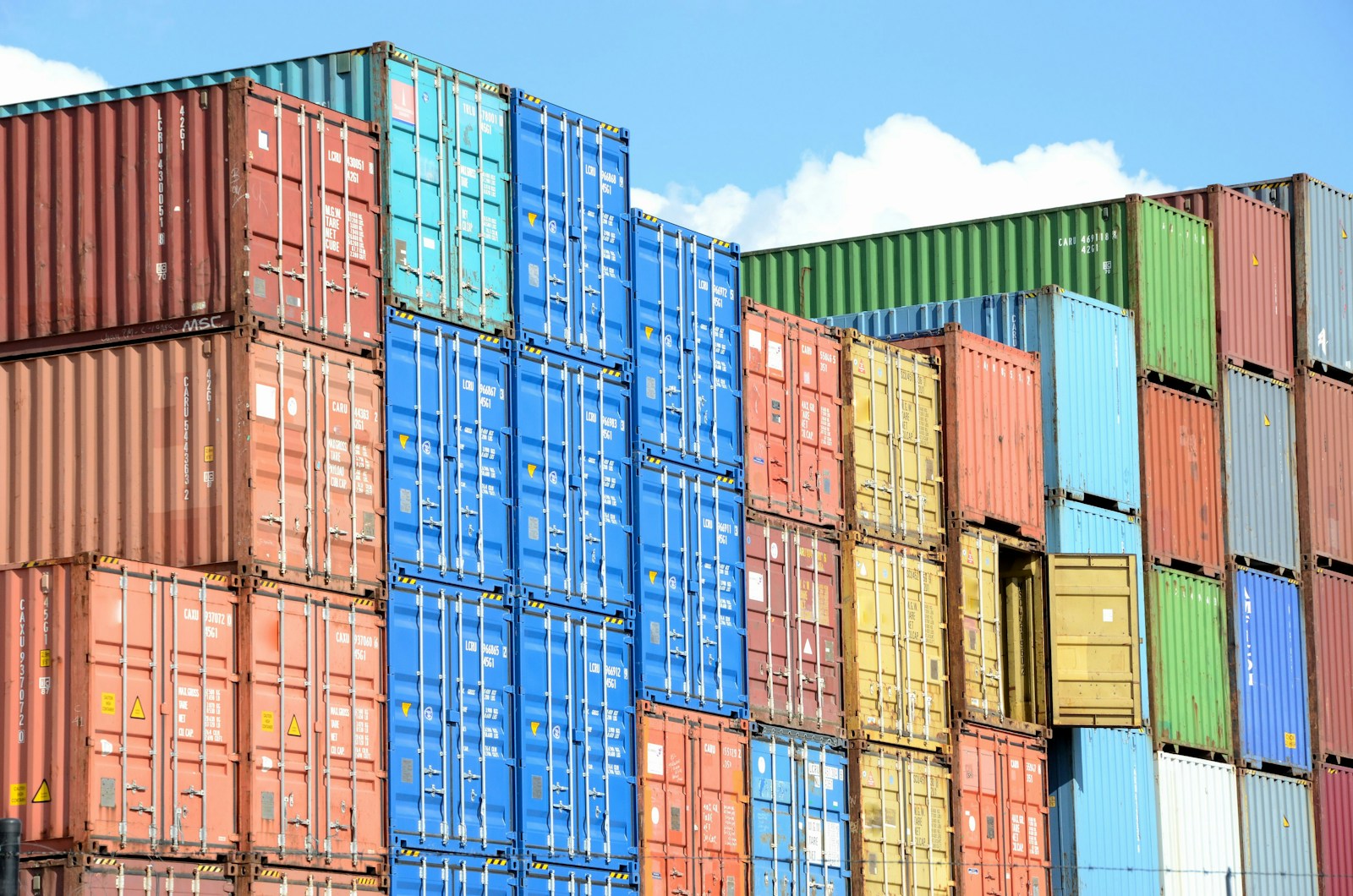
In a rapidly evolving geopolitical landscape marked by rising tensions and global economic challenges, the European Union is accelerating efforts to diversify its trade partnerships. One of the most significant recent developments is the signing of the EU-Mercosur Partnership Agreement (EMPA, or the Agreement) and the Interim Trade Agreement (iTA) on 17 January 2026

Commission proposes expansion of EU CBAM to downstream goods and addresses potential CBAM abusive practices
On 17 December 2025, the European Commission published an amendment proposal (COM 2025/0419) to the Carbon Border Adjustment Mechanism (CBAM) Regulation (Regulation (EU) 2023/956), which proposes to expand CBAM to certain downstream goods and strengthen anti-circumvention provisions. The proposal also refines operational rules, including for electricity imports, exemptions, and market-stability safeguards.
How sanctions transformed the shipping industry in 2025
Key takeaways:
- EU and UK sanctions now increasingly target the full maritime logistics chain, including third country actors
- Shadow-fleet measures have intensified scrutiny on vessels and operators
- Compliance has become central to commercial decision-making
U.S. Moves to Ban Foreign Adversary Purchases or Control of Farmland and Launches National Farm Security Action Plan
On July 8, 2025, the U.S. Department of Agriculture (USDA) announced the National Farm Security Action Plan (Action Plan), a sweeping initiative to protect American agriculture as a matter of national security. Among its most consequential provisions are forthcoming restrictions on foreign adversaries (e.g., China) from purchasing or controlling U.S. farmland. Highlights of the Action
BIS plans to rescind Biden-era AI diffusion rule; imposes other controls on AI chips
On May 13, 2025, the Bureau of Industry and Security (BIS) announced its intent to rescind the Biden administration’s Framework for Artificial Intelligence Diffusion (AI Diffusion Rule) that is scheduled to go into effect on May 15. BIS will publish a Federal Register notice formalizing its decision. In the meantime, Under Secretary of Commerce for
What impact will President Trump’s reciprocal tariffs have on the United Kingdom?
Background to the Reciprocal Plan on Trade
On February 13, the U.S. administration introduced its Fair and Reciprocal Plan on Trade, outlining its approach to reciprocal tariffs. The policy aims to address what the administration perceives as an unfair trade imbalance, where the U.S. maintains relatively low import tariffs while other countries impose higher

Tariff mitigation through alternative sourcing: Navigating customs country of origin compliance risks
In a time of escalating tariff tensions, companies are investing heavily in analyzing the impact of tariff changes on their business and adapting to the shifting trade landscape. To mitigate tariff impacts and maintain competitiveness, many explore supply chain adjustments, such as alternative sourcing or relocating production. While “tariff engineering” is becoming an increasingly popular